Diving In Bali For Beginners Who Want Calm And Clear Learning
Trying diving in Bali for beginners works best when nothing feels rushed. Many people expect instant comfort underwater, which rarely happens. Breathing through a regulator feels strange at first. That is normal. Instructors usually begin in shallow water to build familiarity. Time spent adjusting makes later dives easier. Learning slowly reduces tension and helps new divers focus on the basics that matter most.
Choosing the right course instead of the fastest one
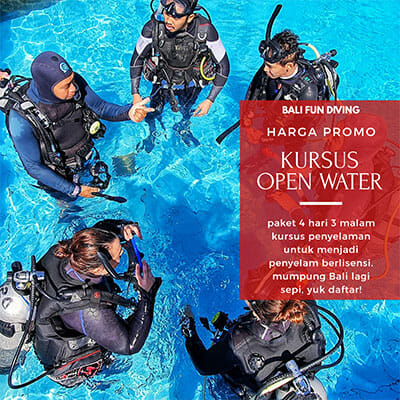
A Bali open water diver course is often the first structured step for beginners. This course teaches safety rules, equipment uses, and underwater awareness. Not all courses feel the same, though. Some focus more on pace than understanding. A steady approach helps beginners absorb information naturally. Asking questions early avoids confusion later. The goal is learning comfortably, not racing through lessons.
Equipment familiarity before deeper water sessions
For diving in Bali for beginners, equipment handling is a big learning curve. Masks, fins, regulators, and buoyancy devices all feel different underwater. Instructors usually repeat setup steps several times. This repetition builds confidence. Knowing how gear behaves reduces panic if something feels off. Shallow practice sessions help beginners focus without pressure. Comfort with equipment leads to calmer dives overall.
Safety routines explained without overload
Every Bali open water diver course includes safety drills and checks. These steps may seem repetitive, but serve a purpose. Buddy checks, hand signals, and controlled ascents become habits over time. Beginners are shown how to respond calmly to common issues. Learning what to do removes fear. Safety routines become automatic through practice rather than memorization alone.
Bali conditions that beginners should understand early
Diving in Bali for beginners involves gaining knowledge about local requirements. A site's currents, water temperature, and visibility can change relying on the time of year. Instructors explain entry techniques and surface awareness clearly. Newbies learn where to place themselves in the water. Understanding conditions builds trust in the process. Local knowledge adds comfort and prevents unnecessary stress underwater.
Learning pace shaped by small groups
A Bali open water diver course often works better in smaller groups. Fewer students mean more individual attention. Instructors notice breathing patterns and body position more easily. Corrections happen quietly and early. Beginners feel supported instead of watched. Small groups help learning feel personal. This environment suits people new to diving very well.
Conclusion
Starting diving in Bali for beginners becomes easier when learning feels relaxed and practical. On balifundiving.com, courses focus on steady instruction, clear explanations, and real water experience. A Bali open water diver course introduces skills gradually while respecting individual comfort levels. Learning to dive requires patience and not force. In case your first underwater experience is in mind, consult professional instructors and design your course, which would meet your expectations and speed up professionally.
check out our site for more details.

Comments
Post a Comment